
State hub
Florida HOA laws and resources
Last reviewed 2026-05-14 · content version 1 · expanded hub
Florida is an expanded hub with curated statute callouts, dispute patterns, and compare links. Confirm every citation on the official government site before relying on it.
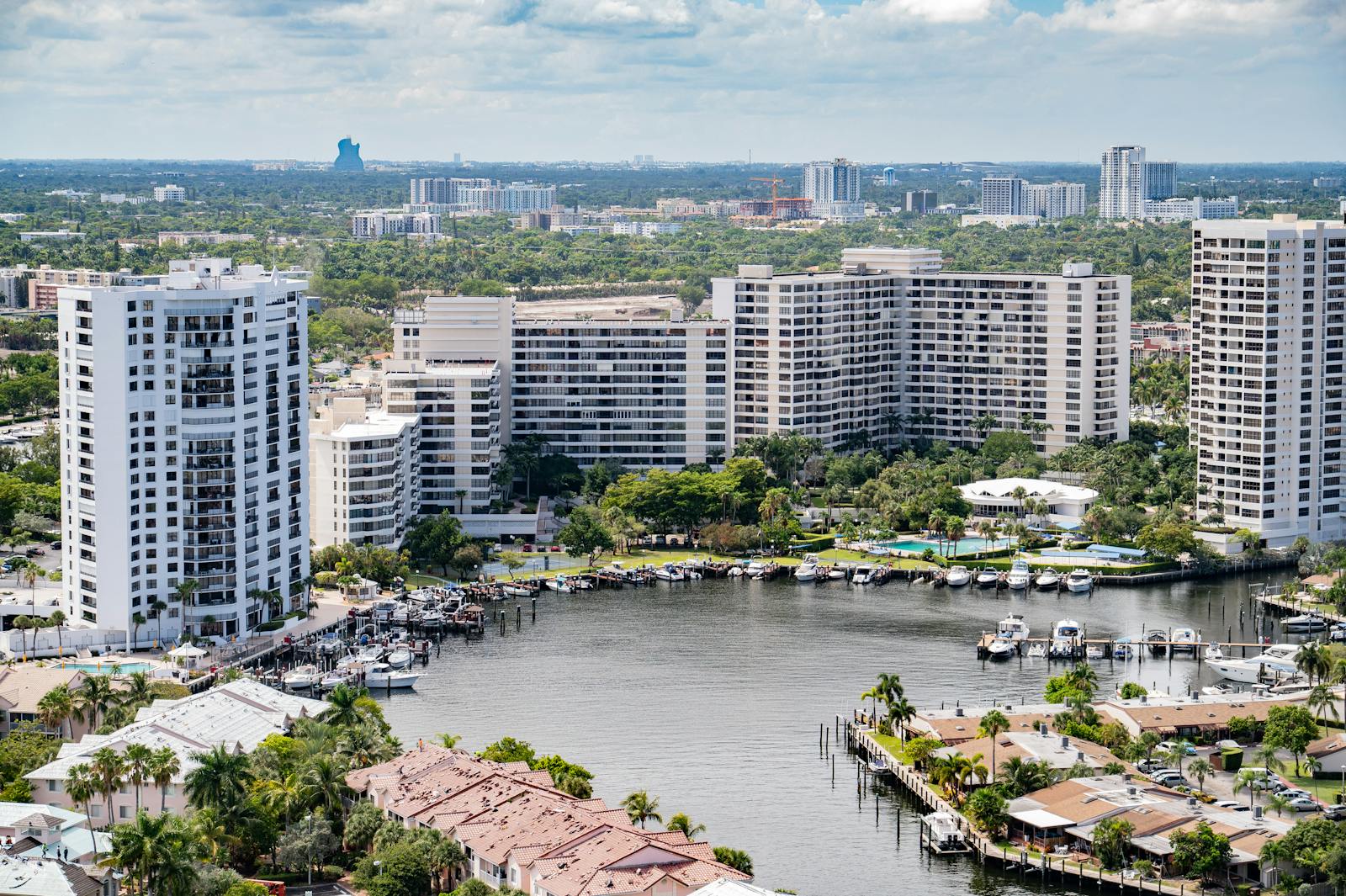
Photo: Larry Milligan on PexelsLegal snapshot
Florida separates HOA and condominium governance. Chapter 720 usually controls homeowners' associations, while Chapter 718 controls condominiums. Chapter 617 still matters for many nonprofit corporate questions. Owners who mix chapters often lose time on the wrong hearing track.
How to use this hub. Start by confirming association type from the recorded declaration, then map the dispute to meetings/records, assessments, or enforcement. Florida fights frequently turn on notice, hearing rights, and pre-suit steps - not only on whether a rule exists.
Before filing complaints or formal demands, verify the latest statute text on the Florida Legislature's Online Sunshine pages and keep a dated packet of notices, photos, and governing-document excerpts.
Practical pattern. Process missteps are common when owners cite condo rules in HOA disputes (or the reverse). Association type is the first thing to confirm, then check whether mediation or hearing timing applies before escalating.
Key statutes to review
Each code names the chapter or section range to open on the official state site. The explanation describes what that chapter usually covers so you can tell whether it matches your community type (HOA, condominium, or deed-only covenants) before you cite it in writing.
Florida Statutes Chapter 720 (Homeowners' Association Act)
Controls most homeowners associations: board powers, meetings, records, assessments, and enforcement. Confirm your community is Chapter 720 before citing condo-only sections.
Florida Statutes Chapter 718 (Condominium Act)
Condominium-specific governance, finances, and owner rights. Use Chapter 718 when the declaration establishes a condo regime, not a subdivision HOA.
Florida Statutes Chapter 617 (not-for-profit corporations)
Baseline corporate law for many Florida nonprofit associations. Helpful when disputes involve director elections, bylaws, or corporate records beyond Chapter 720/718.
Florida Statutes 720.3015 and related definitions
Definitions and applicability gates matter in Florida. Confirm the community type and which chapter definitions apply before borrowing language from condo-only or HOA-only sections.
What owners usually need first
These are narrower section callouts for common disputes (meetings, fines, records). Pair them with the chapters above and your recorded declaration.
Florida Statutes 720.303 and 720.3033
Board powers, records, meeting conduct, and officer requirements for many HOAs.
Florida Statutes 720.305 and 720.311
Enforcement, fines, and pre-suit dispute resolution framework.
Florida Statutes 720.306 and 720.307
Member meetings, voting, and recall mechanics that often surface in governance fights.
Florida Statutes Chapter 718
Condominium-specific governance, records, and financial rules.
Homeowner action checklist
- Pull your declaration (CC&Rs), bylaws, and current rules first. The statute fills gaps, but your recorded documents control many day-to-day details.
- Check notice and hearing requirements before paying a fine or missing a board deadline.
- Request key records in writing: budget, reserve study, violation history, and meeting minutes tied to your issue.
- Track response deadlines and keep a dated paper trail (portal messages, email, and certified-mail receipts when needed).
- Confirm whether your community is governed under Chapter 720 (HOA) or Chapter 718 (condo), then use the matching statute path.
- Check whether pre-suit mediation or another Chapter 720/718 process applies before filing.
- Pull the most recent budget, reserves disclosure, and board meeting notices when the dispute involves money or procedure.
Frequent dispute categories
- Architectural-review denials and design-rule interpretation
- Fines, suspension of privileges, and hearing procedure disputes
- Assessment collection, late fees, and lien timelines
- Records-access requests and board transparency concerns
- HOA-vs-condo statute confusion that sends disputes down the wrong process
- Pre-suit mediation timing and notice defects under Chapter 720 enforcement paths
- Records access delays and incomplete production of board materials