

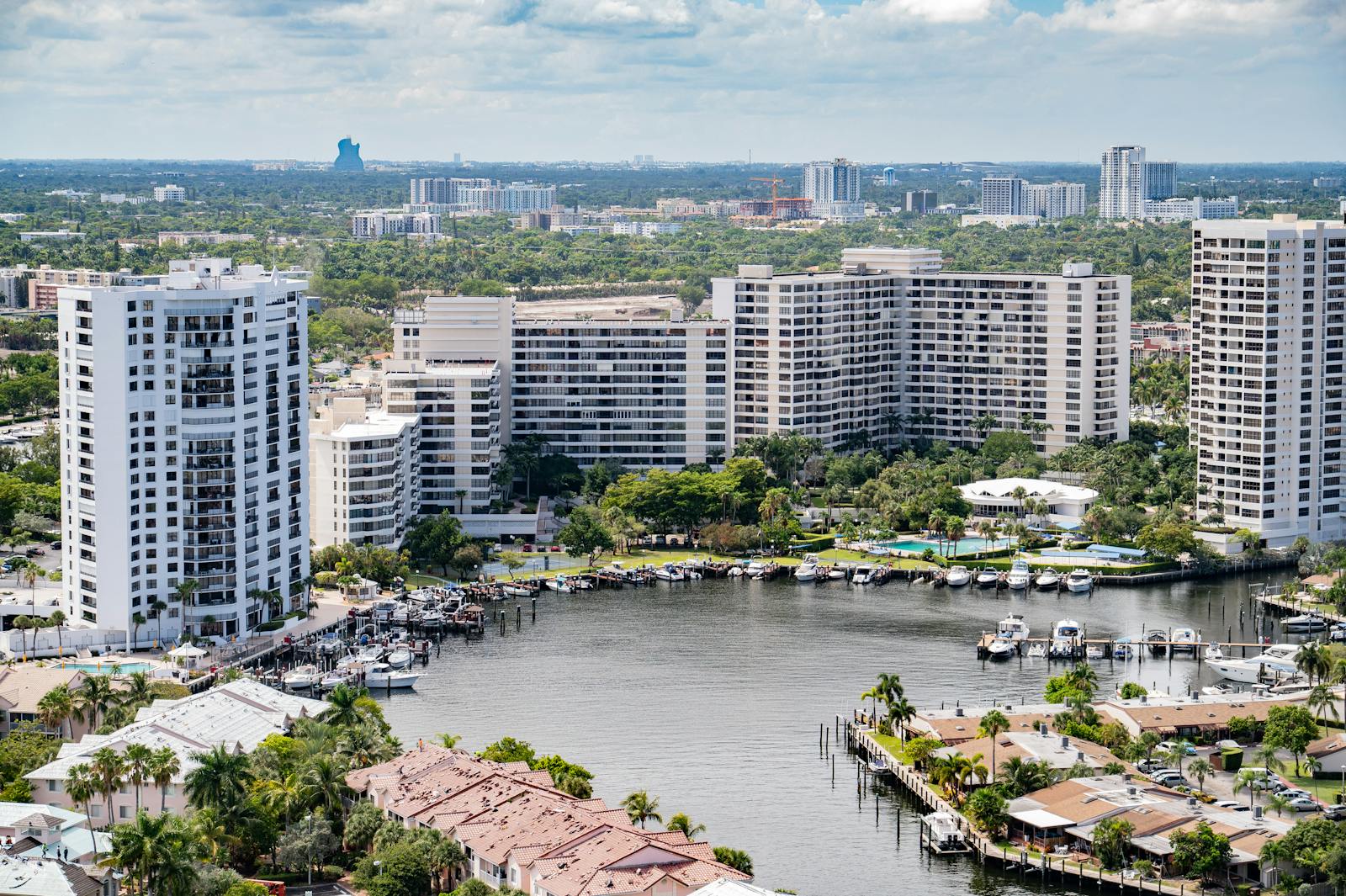
State comparison
Arizona vs Florida
Arizona vs Florida: Arizona planned communities sit mainly in Title 33 Planned Communities Act sections, with condo rules in a separate track, while Florida splits homeowners associations (Chapter 720) from condominiums (Chapter 718), so the first compare step is association type. Scan the columns for Arizona Revised Statutes 33-1801 to 33-1818 (Planned Communities Act) against Florida Statutes Chapter 720 (Homeowners' Association Act), then open each hub for full primary sources. Educational only; not legal advice.
At a glance
| Topic | Arizona | Florida |
|---|---|---|
| Statute anchors | 2 | 4 |
| Key callouts | 3 | 4 |
| Dispute themes | 5 | 7 |
| Checklist steps | 6 | 7 |
Statutory anchors
Where each hub starts before you open your declaration, bylaws, and recorded amendments.
Arizona Revised Statutes 33-1801 to 33-1818 (Planned Communities Act)
Governs planned communities (most single-family and townhome HOAs). Search Title 33 in this range when your declaration says planned community, not condominium.
Arizona Revised Statutes 33-1201 to 33-1270 (Condominium Act)
Condominium-specific rights, assessments, and governance. Citing 33-18xx for a condo labeled as a planned community (or the reverse) is a common owner mistake.
Florida Statutes Chapter 720 (Homeowners' Association Act)
Controls most homeowners associations: board powers, meetings, records, assessments, and enforcement. Confirm your community is Chapter 720 before citing condo-only sections.
Florida Statutes Chapter 718 (Condominium Act)
Condominium-specific governance, finances, and owner rights. Use Chapter 718 when the declaration establishes a condo regime, not a subdivision HOA.
Florida Statutes Chapter 617 (not-for-profit corporations)
Baseline corporate law for many Florida nonprofit associations. Helpful when disputes involve director elections, bylaws, or corporate records beyond Chapter 720/718.
Florida Statutes 720.3015 and related definitions
Definitions and applicability gates matter in Florida. Confirm the community type and which chapter definitions apply before borrowing language from condo-only or HOA-only sections.
Key statute callouts
Curated entry points for meetings, elections, hearings, records, and similar themes.
A.R.S. 33-1801 and related sections
Applicability and owner rights framework for planned communities.
A.R.S. 33-1803 and related board-governance sections
Meeting process and board operation requirements in many communities.
A.R.S. 33-1201 and related condo provisions
Condominium-specific rights, obligations, and governance mechanics.
Florida Statutes 720.303 and 720.3033
Board powers, records, meeting conduct, and officer requirements for many HOAs.
Florida Statutes 720.305 and 720.311
Enforcement, fines, and pre-suit dispute resolution framework.
Florida Statutes 720.306 and 720.307
Member meetings, voting, and recall mechanics that often surface in governance fights.
Florida Statutes Chapter 718
Condominium-specific governance, records, and financial rules.
Frequent dispute categories
Typical clusters owners and boards fight over. Your documents still control many outcomes.
- Architectural-review denials and design-rule interpretation
- Fines, suspension of privileges, and hearing procedure disputes
- Assessment collection, late fees, and lien timelines
- Records-access requests and board transparency concerns
- Planned-community vs condominium classification disputes
- Architectural-review denials and design-rule interpretation
- Fines, suspension of privileges, and hearing procedure disputes
- Assessment collection, late fees, and lien timelines
- Records-access requests and board transparency concerns
- HOA-vs-condo statute confusion that sends disputes down the wrong process
- Pre-suit mediation timing and notice defects under Chapter 720 enforcement paths
- Records access delays and incomplete production of board materials
Homeowner action checklist
Parallel first steps. Treat this as a workbook list, not a substitute for reading your community documents.
- 1Pull your declaration (CC&Rs), bylaws, and current rules first. The statute fills gaps, but your recorded documents control many day-to-day details.
- 2Check notice and hearing requirements before paying a fine or missing a board deadline.
- 3Request key records in writing: budget, reserve study, violation history, and meeting minutes tied to your issue.
- 4Track response deadlines and keep a dated paper trail (portal messages, email, and certified-mail receipts when needed).
- 5Decide planned community vs condominium from the recorded declaration or county recorder index before you search statutes.
- 6On the official ARS site, search Title 33 only inside the matching act, then paste subsection numbers and short quotes into any written request to the board.
- 1Pull your declaration (CC&Rs), bylaws, and current rules first. The statute fills gaps, but your recorded documents control many day-to-day details.
- 2Check notice and hearing requirements before paying a fine or missing a board deadline.
- 3Request key records in writing: budget, reserve study, violation history, and meeting minutes tied to your issue.
- 4Track response deadlines and keep a dated paper trail (portal messages, email, and certified-mail receipts when needed).
- 5Confirm whether your community is governed under Chapter 720 (HOA) or Chapter 718 (condo), then use the matching statute path.
- 6Check whether pre-suit mediation or another Chapter 720/718 process applies before filing.
- 7Pull the most recent budget, reserves disclosure, and board meeting notices when the dispute involves money or procedure.
Orientation narrative
Short editorial framing for each state. Use it alongside the lists above, not instead of primary sources.
Why two chapters matter. Arizona splits most association law into the Planned Communities Act (roughly A.R.S. 33-1801 through 33-1818) and the Condominium Act (roughly A.R.S. 33-1201 through 33-1270). If you cite the wrong chapter, the board or an agency can dismiss your argument even when the underlying issue is real.
Step 1: confirm classification. Read the opening pages of your CC&Rs or declaration and the county recorder filing for your subdivision. Note whether the project is set up as a condominium regime or a planned community (the labels are in the recorded instruments, not in the management company name).
Step 2: pull numbered sections. Use the official Arizona Revised Statutes link on this page, stay in Title 33, and browse or search only inside the act that matches your community type. Search for your exact problem (for example meeting notice, fines, records, liens, voting, or dispute process). Write down subsection numbers and copy one short sentence from each section you plan to rely on.
Step 3: contact the board in writing. Open with the classification you found and the declaration article or instrument you used. List the A.R.S. subsection numbers and ask for a written response that cites the specific document section or statute the board says supports its decision. Keep a dated copy of what you sent and what you received.
Florida separates HOA and condominium governance. Chapter 720 usually controls homeowners' associations, while Chapter 718 controls condominiums. Chapter 617 still matters for many nonprofit corporate questions. Owners who mix chapters often lose time on the wrong hearing track.
How to use this hub. Start by confirming association type from the recorded declaration, then map the dispute to meetings/records, assessments, or enforcement. Florida fights frequently turn on notice, hearing rights, and pre-suit steps - not only on whether a rule exists.
Before filing complaints or formal demands, verify the latest statute text on the Florida Legislature's Online Sunshine pages and keep a dated packet of notices, photos, and governing-document excerpts.
Practical patterns
What often shows up in real disputes after you control for bad notice, missing records, or rushed hearings.
If the answer feels vague. When a fine, suspension, or meeting outcome is challenged, a useful reply from you or the board should tie together three things: the recorded rule or covenant language, the meeting or notice steps actually followed, and the matching 33-12xx or 33-18xx subsection. If any one of those is missing, ask in writing for the missing piece before you treat the decision as final.
Practical pattern. Process missteps are common when owners cite condo rules in HOA disputes (or the reverse). Association type is the first thing to confirm, then check whether mediation or hearing timing applies before escalating.
Primary sources
Official portals for statute text, regulators, and consumer routes.
- Arizona Revised Statutes 33-1801+ (Planned Communities)StatuteVerified 2026-05-14
- Arizona Revised Statutes 33-1201+ (Condominiums)StatuteVerified 2026-05-14
- Arizona Revised Statutes Title 33 indexLegislatureVerified 2026-05-14
- Florida Statutes Chapter 720 (Homeowners' Associations)StatuteVerified 2026-05-14
- Florida Statutes Chapter 718 (Condominiums)StatuteVerified 2026-05-14
- Florida DBPR (condos and community associations)RegulatorVerified 2026-05-14
Compare different states
Swap either state to load a new pair. The comparison updates as soon as both picks are set.
State 1
State 2
Opening comparison…