
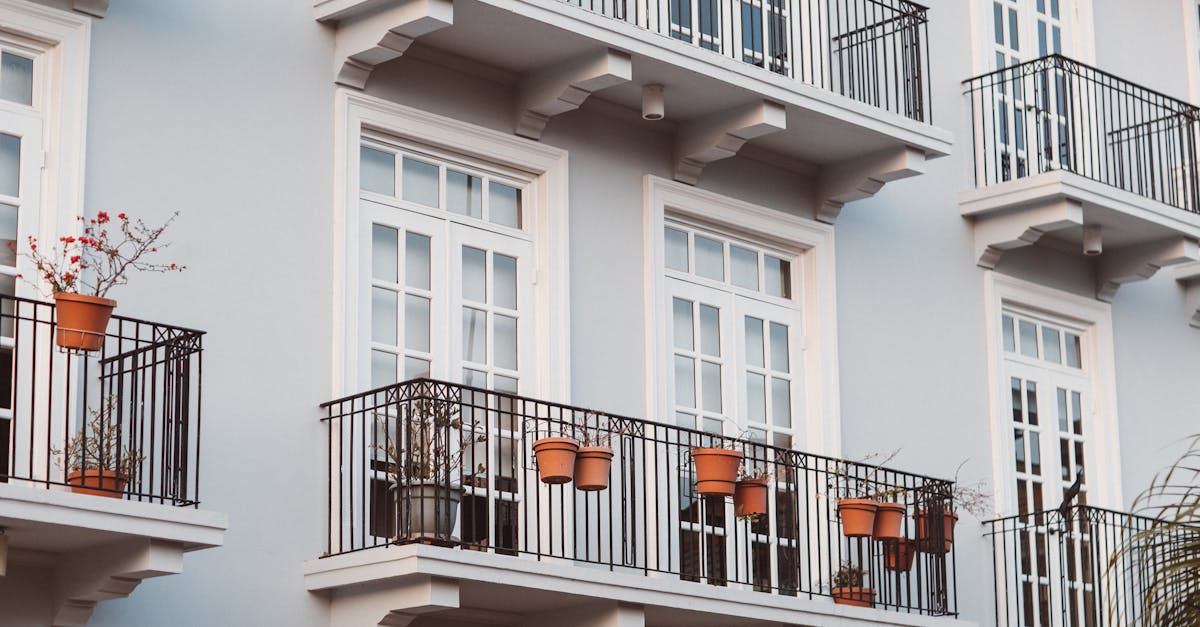
What Are HOA Balcony and Deck Enclosure Rules?
HOA balcony, deck, and patio enclosure rules define what modifications you can make to outdoor spaces attached to your unit. These rules live in your CC&Rs (Covenants, Conditions & Restrictions), architectural guidelines, and sometimes state-specific building codes. The rules cover everything from screening and glass enclosures to shade structures and permanent additions. Understanding these rules before you buy or build prevents costly mistakes and disputes with your HOA.
- Rules typically specify which outdoor spaces are exclusive-use (yours alone) versus common area (shared responsibility).
- Enclosure types—screens, glass, vinyl, retractable awnings—each have different approval pathways and cost implications.
- State laws (especially in California and Florida) impose additional structural and safety standards on balconies and decks that HOAs must follow.
Exclusive-Use vs. Common Area: Who Owns What?
The language in your CC&Rs and disclosure documents determines whether your balcony or deck is exclusive-use (owned and maintained by you) or common area (owned and maintained by the HOA). This distinction affects repair costs, liability, and your right to modify the space. Exclusive-use spaces give you more freedom to enclose or upgrade; common areas require HOA approval and cost-sharing. Your disclosure package will clarify this status—look for terms like 'limited common area,' 'exclusive-use easement,' or 'unit boundary.'
- Exclusive-use language means you typically pay for repairs, insurance, and modifications; the HOA may still enforce architectural rules.
- Common area balconies and decks are maintained by the HOA from the reserve fund; you cannot modify them without approval.
- Disclosure documents often include a site plan or unit description showing which outdoor spaces belong to your unit—review this carefully before signing.
How to Get Architectural Approval for Enclosures
Before you install any enclosure—screen, glass, shade structure, or permanent addition—you must submit an architectural request to your HOA. The approval process typically takes 2 to 4 weeks and requires detailed plans, material samples, and sometimes engineer drawings. Skipping this step can result in fines, forced removal, or liens on your property. Your CC&Rs outline the specific submission requirements and approval timeline; these details are usually in the disclosure document you receive as a buyer.
- Submit a formal architectural request with drawings, materials, colors, and installation details before any work begins.
- The HOA may require engineer certification, especially for structural changes or in states with strict building codes.
- Approval is not guaranteed; the HOA can deny requests that violate aesthetic standards, building codes, or structural safety rules.
- Keep all approval letters and permits; they protect you if the HOA later disputes the enclosure.
Insurance and Liability: Who Is Responsible?
Enclosures can affect both your homeowner's insurance and the HOA's master policy. If your balcony or deck is exclusive-use, you typically carry the insurance for that space and any modifications. If it is common area, the HOA's master policy covers it, but your individual policy may have gaps. Additionally, enclosures can create liability questions: if someone is injured on your enclosed balcony, who is responsible? Your disclosure documents and CC&Rs should address insurance requirements; if they are unclear, ask your insurance agent and the HOA before building.
- Exclusive-use enclosures usually require you to add them to your homeowner's insurance; common area enclosures are covered by the HOA master policy.
- Enclosures may increase your insurance premium or require additional liability coverage.
- Check your CC&Rs for language about who maintains, insures, and is liable for exclusive-use outdoor spaces and any modifications to them.
State Laws and Building Code Requirements
California, Florida, and other states have enacted laws governing balcony and deck safety, structural integrity, and repair responsibility. California's Civil Code Section 4775 and Senate Bill 326 require HOAs to inspect balconies regularly and fund repairs from reserves. Florida has similar structural safety standards. These laws override HOA rules if there is a conflict; they ensure balconies are safe and prevent catastrophic failures. When you review your disclosure package, check whether the HOA is compliant with state inspection and repair mandates—this affects your long-term costs and safety.
- California and Florida require HOAs to conduct regular balcony inspections and fund structural repairs from reserves, not special assessments.
- Enclosure materials and designs must comply with local building codes and fire safety standards, even if the HOA approves them.
- State laws may restrict the HOA's ability to deny enclosure requests if they meet code and do not compromise structural safety.
How StreetScout Helps You Understand Enclosure Rules Before You Buy
When you are evaluating a condo or townhome, the HOA resale package (also called the disclosure package or disclosure documents) contains the CC&Rs, architectural guidelines, and insurance details that govern balcony and deck enclosure rules. These documents are dense and full of legal language; extracting the specific rules about exclusive-use, architectural approval, and liability can be time-consuming. ScoutReport surfaces the exact language about exclusive-use spaces, architectural requirements, and insurance obligations from your uploaded resale package, so you can see the enclosure rules clearly before you sign.
- Upload your HOA resale package to ScoutReport and it extracts exclusive-use definitions, architectural approval processes, and insurance language tied back to the source pages.
- ScoutReport flags key findings—such as whether your balcony is exclusive-use, what approval steps are required, and who pays for repairs—so you can review them against the full disclosure documents.
- You review and verify the extracted findings, ask your real estate agent or HOA for clarification on any gaps, and use this clarity to negotiate or plan your enclosure budget before closing.