
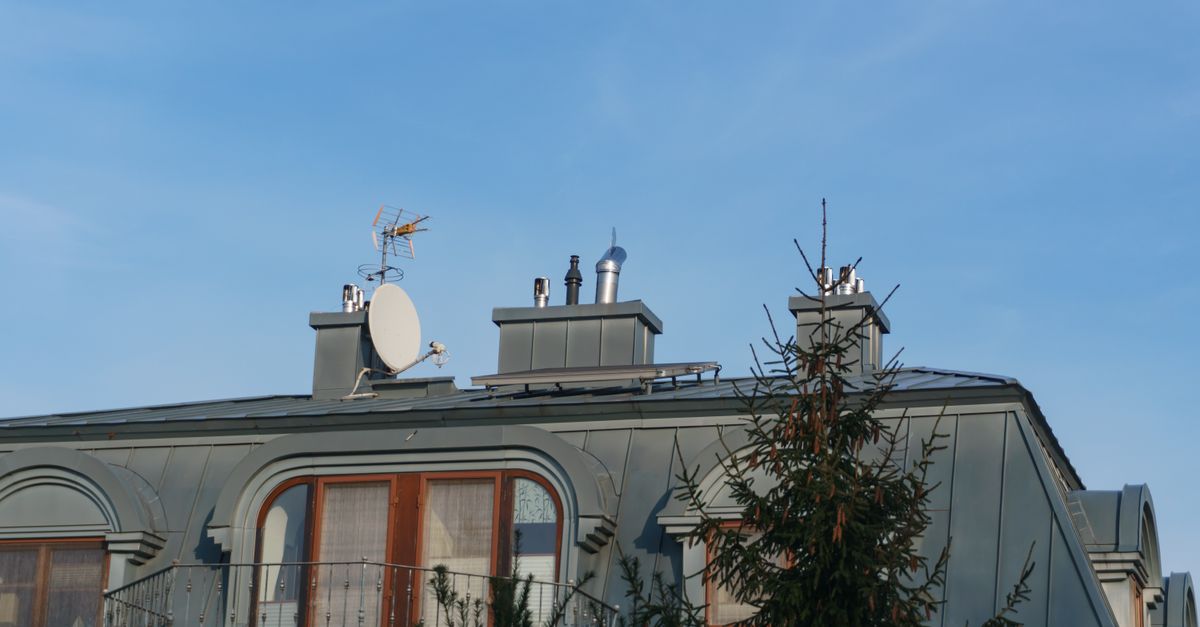
Federal Law Protects Small Reception Devices
The FCC's Over-the-Air Reception Devices Rule (OTARD) restricts HOA authority over satellite dishes, antennas, and similar devices under 1 meter in diameter or length. This rule applies to most residential properties and protects your right to install equipment for TV, internet, and radio reception on your own property. However, OTARD does not eliminate HOA review processes or aesthetic standards—it sets a floor for what restrictions are illegal, not a ceiling for what HOAs can require.
- OTARD protects dishes and antennas under 1 meter used for reception; larger commercial or broadcast equipment may fall outside this protection.
- HOAs cannot ban satellite dishes, antennas, or over-the-air devices outright, but they can require reasonable placement that minimizes visual impact from the street.
- You retain the right to install on your own roof, yard, or balcony; HOAs cannot force you to use a less effective location if a better one exists on your property.
- The rule applies nationwide and overrides conflicting local or HOA rules, but you must still follow your HOA's approval process.
Your CC&Rs Set the Approval Process and Aesthetic Standards
Even with federal protection, your HOA's Covenants, Conditions & Restrictions (CC&Rs) likely require architectural review before installation. These documents spell out submission procedures, design standards, and placement restrictions that are enforceable as long as they don't outright ban reception devices or make installation impractical. Reading your CC&Rs early identifies what your HOA will scrutinize and what compromises you may need to make.
- Most CC&Rs require written approval from an architectural committee before exterior modifications, including antenna or dish installation.
- Common aesthetic rules include setback distances from property lines, color matching, screening requirements, and roof placement restrictions that don't block reception.
- Your CC&Rs may specify submission forms, timelines for approval decisions, and appeal procedures if your request is denied.
- Reviewing these rules before designing your installation plan prevents rejection and the back-and-forth that can lead to fines.
Practical Placement Strategies That Survive HOA Review
Successful antenna and dish installations balance reception quality with HOA aesthetic concerns. Most HOAs approve equipment placed on the back or side of a roof, screened by landscaping, or mounted on a pole in a rear yard—locations that maintain signal strength while minimizing street-facing visibility. Understanding your HOA's priorities helps you propose a placement that satisfies both your technical needs and their design standards.
- Rear or side roof placement often receives approval because it maintains reception while reducing street visibility; front-facing installations face higher scrutiny.
- Screening with landscaping, fencing, or architectural elements can satisfy aesthetic rules without significantly degrading signal; test reception before finalizing placement.
- Pole-mounted dishes in rear yards are common compromises that keep equipment off the roof and allow for easier maintenance and future removal.
- Submitting a detailed plan with photos, measurements, and signal-strength justification increases approval odds and shows you've considered HOA concerns.
Navigating the Submission and Approval Timeline
Most HOAs follow a formal architectural review process with specific timelines and documentation requirements. Submitting a complete application with drawings, specifications, and placement rationale accelerates approval and reduces the risk of rejection on technical grounds. Understanding your HOA's timeline and appeal rights protects you if your first request is denied.
- Check your CC&Rs for submission deadlines, required forms, and the approval timeline (typically 30–60 days); missing deadlines can delay your project.
- Include a site plan showing the dish or antenna location, measurements, color, and materials; photos of your roof or yard help the committee visualize the installation.
- If denied, ask for specific reasons in writing and whether you can revise your plan to address concerns; most HOAs allow resubmission.
- Document all correspondence and approval dates; if your HOA later claims you violated rules, you'll have proof of compliance.
How StreetScout Fits This Guide
Before submitting your antenna or dish installation plan, you need to know exactly what your CC&Rs say about architectural review, roof modifications, and aesthetic standards. ScoutReport extracts these rules from your uploaded CC&Rs and organizes them by topic—roof restrictions, setback requirements, color standards, and approval timelines—so you can design a placement that matches recorded restrictions without guesswork.
- Upload your CC&Rs to ScoutReport and extract architectural review rules, roof placement restrictions, and aesthetic standards in minutes; the tool flags setback distances, color requirements, and approval timelines so you know what the HOA will check.
- ScoutReport summarizes these rules in plain language and ties findings back to the exact pages of your document, so you can verify each requirement and understand the HOA's enforcement priorities.
- You review the extracted rules, design your equipment placement to comply, and submit a plan that addresses the specific standards your HOA enforces—reducing rejection risk and speeding approval.